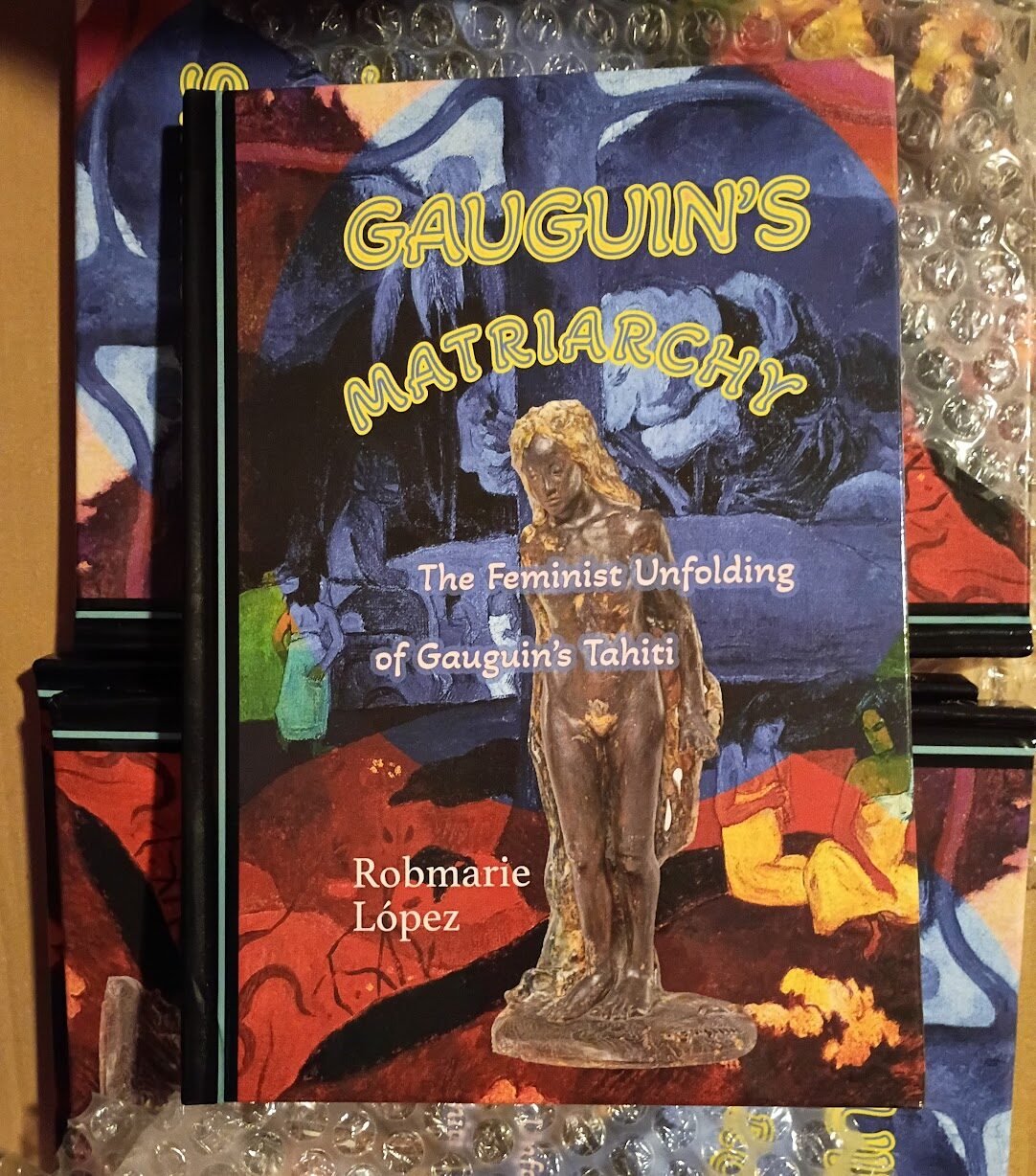
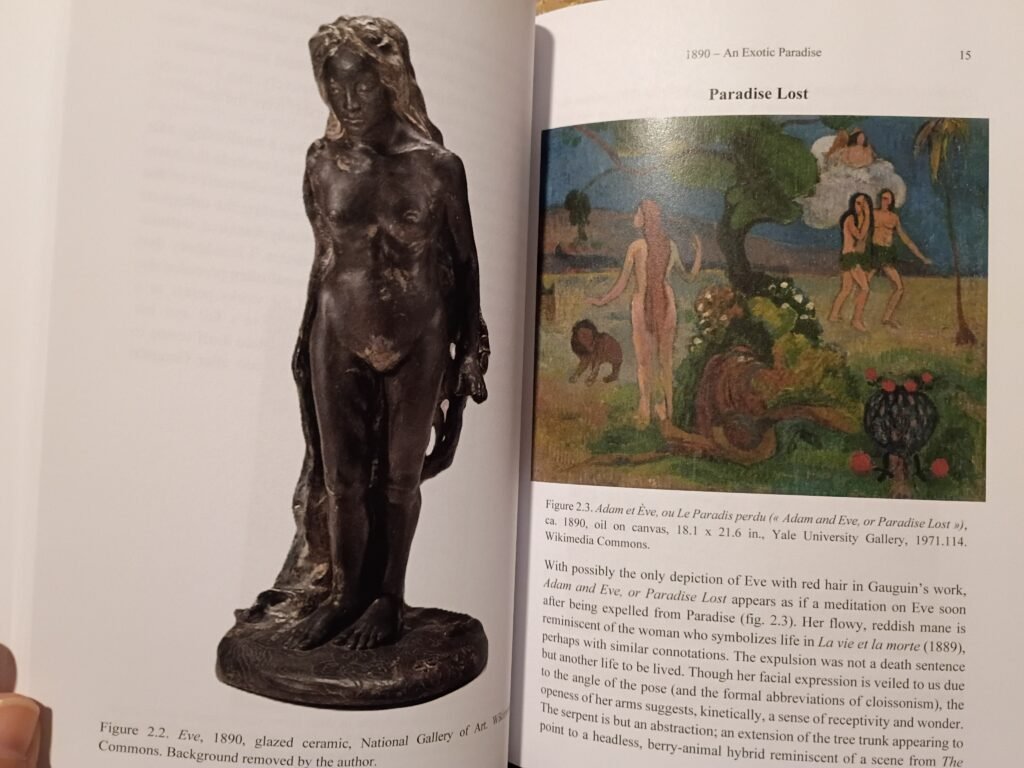
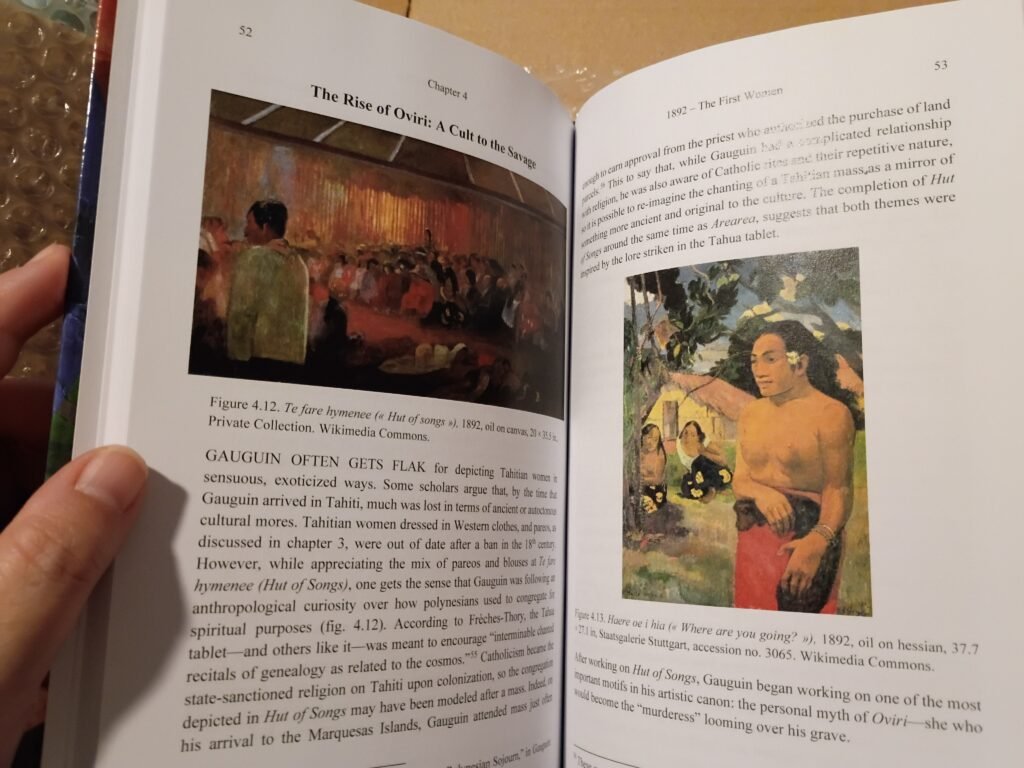
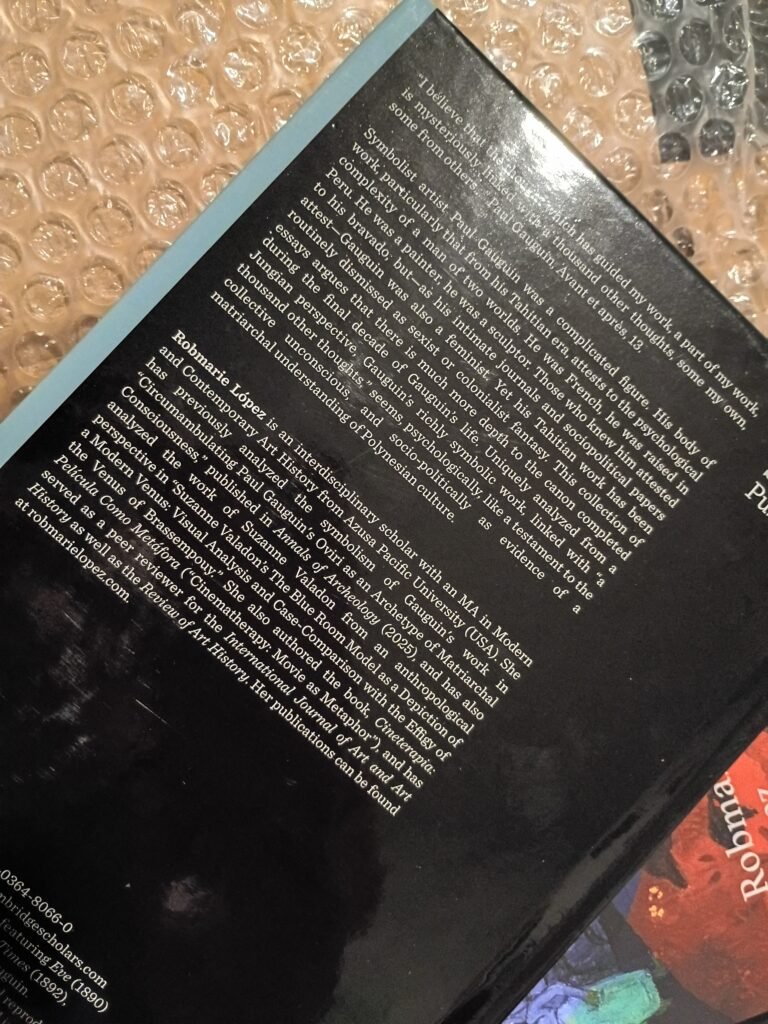
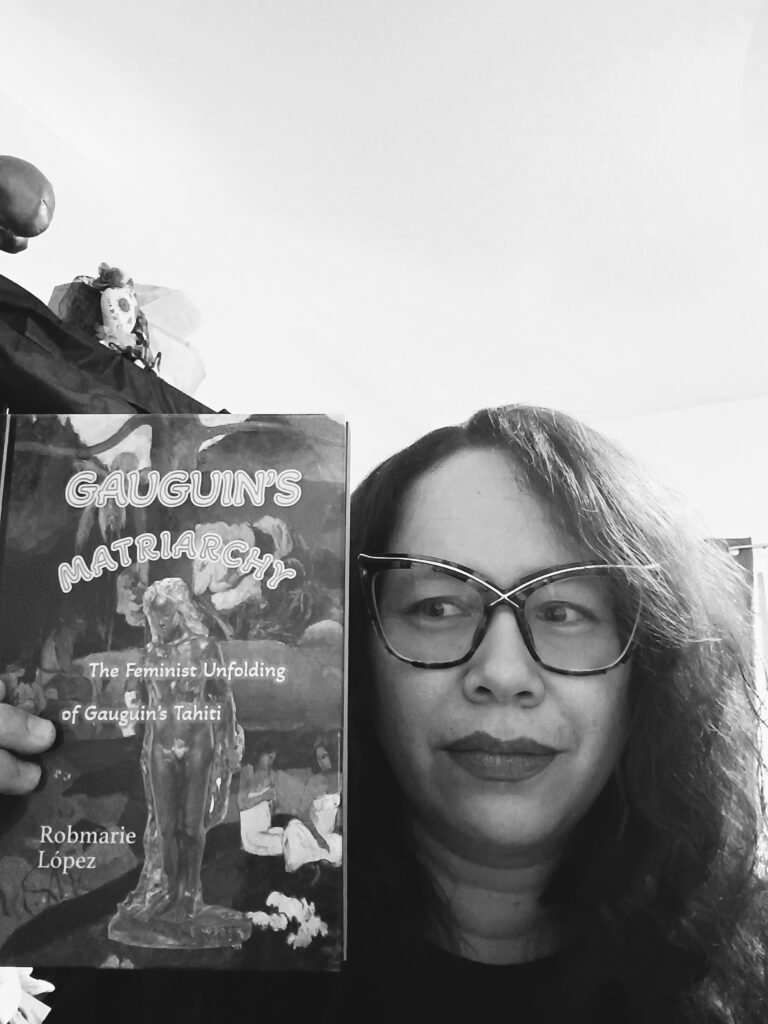
Hello peeps! 😀 Quick update concerning Gauguin’s Matriarchy, my book about the latent feminism in Gauguin’s Tahitian artworks–hardcover author copies are finally here! 📚
Anywho! I’m quite happy with how it turned out–a bit accomplished, even. This book was the result of many months’ worth of toil; I certainly hope it supports future research on Paul Gauguin and/or Jungian symbolism.
Hello friends! I hope that y’all fare well during these brutal heat waves. Well, for us in the Northern Hemisphere, at least—and, specifically, those of us in the US’ West!
Anywho, I have some exciting news to share. For those who have supported my book, Cineterapia: Película Cómo Metáfora (Una Introducción): First of all, thank you sincerely for your continued support! 🎉 The book has fared relatively well across marketplaces, and I value your engagement with what is a perennially interesting—and increasingly relevant—topic of discussion in the field of wellness.
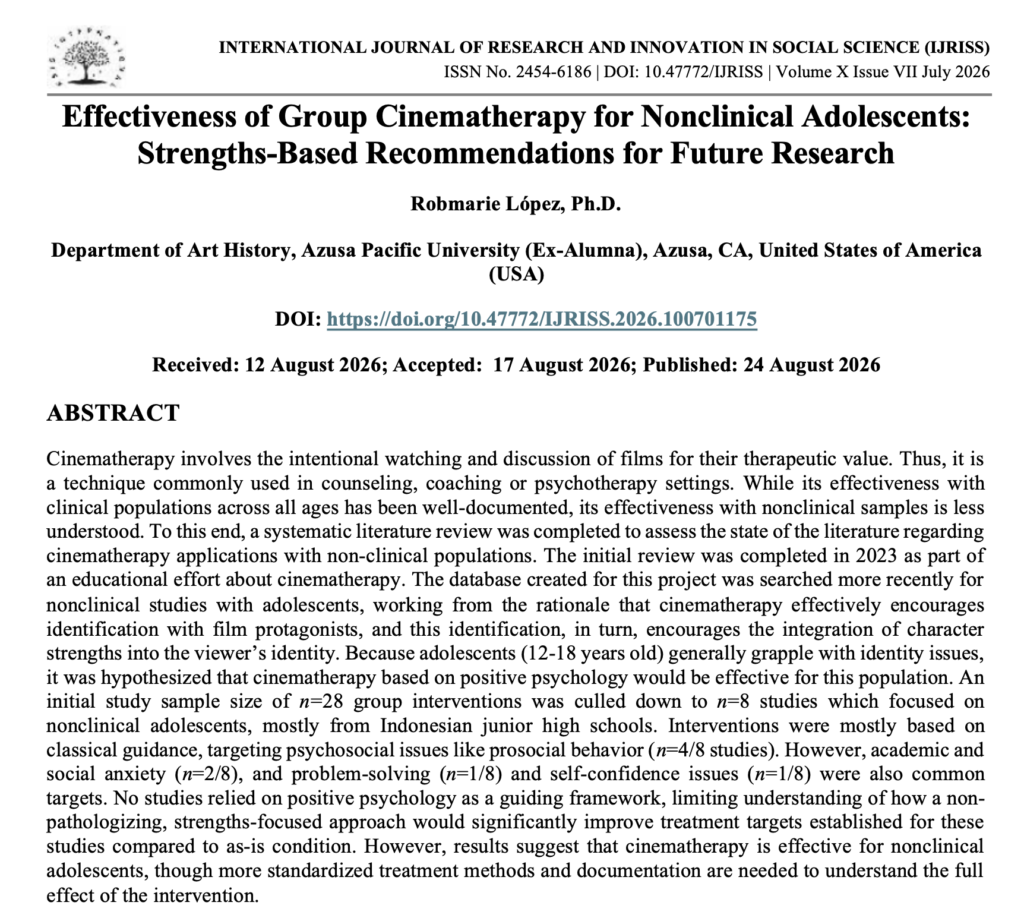
Well, for those of you who may have been interested in the book, but do not speak the Spanish language, I offer a glimmer of hope: I have recently published part of the original literature review over at the International Journal of Research and Innovation in Social Science! The paper focuses on a trend spotted during the original review: the use of cinematherapy as a counseling intervention for nonclinical adolescents in middle school. As it turns out, cinematherapy is quite popular across Indonesian schools, so the bulk of studies retrieved stem from Indonesian samples. Though this slightly limits generalizability of results, it is an interesting finding in itself, pointing to a need for cross-cultural validity studies on cinematherapy, as well as a need for studies about the particularities of cinematherapy’s effectiveness for Indonesian populations per se. Nevertheless, some findings stand out for reflection:
#1: Most counselors sought to foster prosocial behaviors in junior high schoolers: Out of n=8 studies selected, 4 of those aimed at improving prosocial behaviors like altruism and greater cooperation among middle schoolers with “antisocial behaviors.” From what could be inferred from the papers, this is not antisocial behavior in the clinical or criminal sense, but developmentally natural behaviors that generally ramp up in adolescence, i.e. increased competitiveness, decreased cooperation, etc. These studies mostly used cinematherapy as an adjunct to classical guidance, though one of them, a study by Herfidawati, Wibowo, & Purwanto (2021), addressed cinematherapy as a technique within a social modeling theoretical framework (vs. Role Playing vs. Combined). All studies were reportedly effective at improving prosocial behaviors, but not all of them shared the films used for these interventions, limiting fullness of understanding or applicability for other populations. Nevertheless, films like It Turns Out, Changed, Final Exam (Khoiri, Suroso, & Farid, 2023) and Rumah Without a Window or Blink and Pencil (Maretha, Susanti, & Sari, 2020) were effective at improving empathetic concern and improved understanding of prosocial behaviors. However, Herfidawati, Wibowo, & Purwanto (2021) found no significant differences in effectiveness across groups, suggesting that a revisitation of method or theoretical framwork would be useful to address in future studies.
#2: Two studies used cinematherapy as an adjunct to Cognitive-Behavioral Therapy (CBT) for improved problem-solving skills. These studies, led by Rimonda et al., targeted social (2018) and academic (2020) anxiety through bi-weekly, 90-minute sessions, for 4-6 weeks. Especially interesting was the social anxiety cinematherapy intervention, measured against self-talk only and a combined CBT + Self-Talk intervention. While all interventions were effective at decreasing anxiety at post-test, the cinematherapy intervention was slightly more effective at follow-up. It is possible that the multi-sensory nature of cinematherapy facilitated an understanding of the concepts discussed, in a sense decreasing the cognitive load generated by self-talk by relying on audiovisual means. However, it is also possible that the cinematherapy intervention was simply more engaging. However, let us not dismiss this engagement as trite: according to Niemec (2020), cinematherapy’s effectiveness relies, in part, on the ability to identify with the protagonist. Thus, by identifying both their woes and the character traits that allow the protagonist to overcome them, the client is able to “download” into awareness a new way of solving problems.
Due to the nonclinical nature of the problems addressed (and the samples who participated), it was somewhat surprising that positive psychology approaches (also known as “strengths-based”) were not used as the theoretical foundations for these studies, given their focus on building natural-occurring strengths like creativity, resilience, and altruistic behavior. Studies in positive psychology are unfortunately under-represented in the overall wellness milieu, though those that exist are particularly well-supported. Mihalyi Cziksentmihalyi’s research on flow states and creative problem solving are ever-applicable across industries today. In any case, because the student population is nonclinical, a strengths-based approach would perhaps be more appropriate in practice, if not more conducive to methodological rigor due to increasingly evidence-based support.
To exemplify the potential of a strengths-based intervention in nonclinical educational settings, an example intervention based on the movie, Detection of Di Renjie (2020) was included in the discussion, which can hopefully guide future practitioners and researchers alike in their future cinematherapeutic endeavors.
Well, if you are interested in further reading, check out the article either at IJRISS or at my own academia.edu profile (and while you’re there, give me a follow or say hello!) 🙂 You can also check out the book on Amazon at tinyurl.com/librocinetx. If you are truly in dire financial straits (or just love a good deal, as I do), you can download an EPUB for $1.99 at Apple Books or a range of other marketplaces available at this link: https://books2read.com/cinetx. These books are less formatted than those on Amazon, hence the lower price, but if you are purely content-focused then they function just as well.
Thanks for stopping by! If you liked this post, make sure to leave a comment, or say hello@robmarielopez.com.
I have recently been re-engaging scholarship on Paul Gauguin, in part because I have been making the final corrections to my book, Gauguin’sMatriarchy, soon to be released through Cambridge Scholars Publishing! 📖 🎉 This is the first of my books that will be released through a non-Ediciones Pluma Verde publisher, so I am doubly excited about its upcoming publication.1
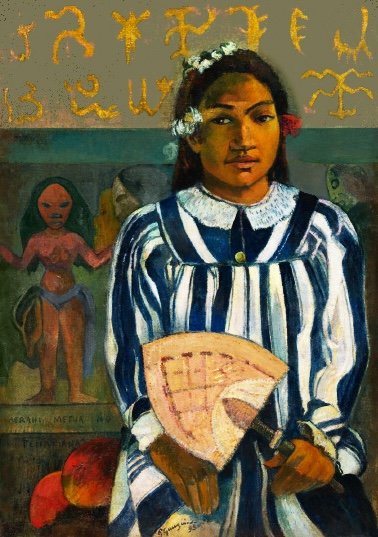
Anywho, as I have been making revisions and reviews, I stumbled upon Gauguin’s Teha’manaHas Many Ancestors (1893), an oil on jute (sackcloth) painting of his first Tahitian companion. Gauguin completed this painting during his initial sojourn to French Polynesia—an archipelago famously visited by Captain James Cook in 1767. Though not without the usual share of conflict, during their months-long stay in Tahiti, Cook’s crew ate, hung out, and traded with the locals with some success. When the time came for departure, one of the locals, an areoi named Tupaia, decided to join Cook in his oceanic charting mission.
As a holy man who followed the cult of Tane (though some also say Ta’aroa), Tupaia was responsible for sharing and preserving the oral tradition of the Society Islands through the extensive memorization of chants, myths, language, and multiple navigational systems for extensive intra-Pacific travel. Polynesians were exceptionally adept seafarers who traveled the Pacific in large canoes, reaching as far as Rapa Nui (Easter Island) and New Zealand onwards the 10th century. As such, they share many elements of the culture, to such an extent that Tupaia had no problem communicating with a Māori chief during their voyage to New Zealand, even though he had never been to the island.2
In Noa Noa, a semi-fictionalized (if not occasionally symbolic) account of his first visit to Tahiti, Gauguin shares how he met Teha’mana during an expedition to the center of the island, led in search of a native wife. Some scholars have argued that she was an artistic invention, though Teha’mana’s existence has been proven through photos and accounts revealed to the anthropologist Bengt Danielsson, later documented in Gauguin in the South Seas. Danielsson regarded Gauguin’s love for Teha’mana as “anthropological,” driven by his social-cultural (and increasingly political) curiosity for Tahiti. Danielsson’s theory is partially supported in Noa Noa, where Gauguin explained that he strove “to see” through Teha’mana’s eyes. In various instances he also places Teha’mana as the source of his mythological knowledge, even though scholars argue that Teha’mana could not have known these myths to the extent described by Gauguin. Still, the fact that he chose to regard her as an authority is true to the “matriarchal” character of the culture, who once argued that the moon was a woman’s first husband.3
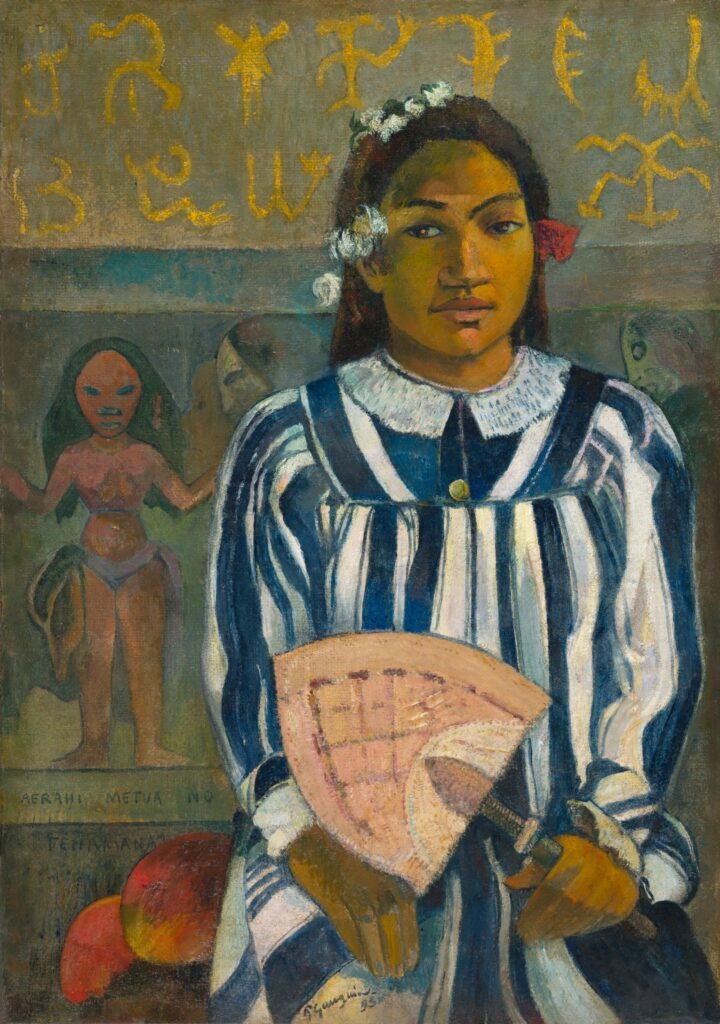
Teha’mana Has Many Ancestors seems to allude to all of these events through the myriad symbols in the composition. Her fan is Samoan and the glyphs in the background are based on the rongorongo carved script invented by the Rapanui in Easter Island. The Rapanui were the only Polynesians who invented a writing system, so their creation is at once mysterious and intriguing. These glyphs in particular correspond to the Tahua tablet, sent to Paris by Tepano Jaussen, Bishop of Tahiti, in the 1880s, after attempting to decipher the wooden glyphs with little success. Though Gauguin could not have seen the tablet in Tahiti, he did gain access to a photograph during the International Exhibition of 1889. In any case, both Jaussen and Gauguin copied glyphs from the tablet—the former for scholarly purposes, the latter for Teha’mana’s portrait.4
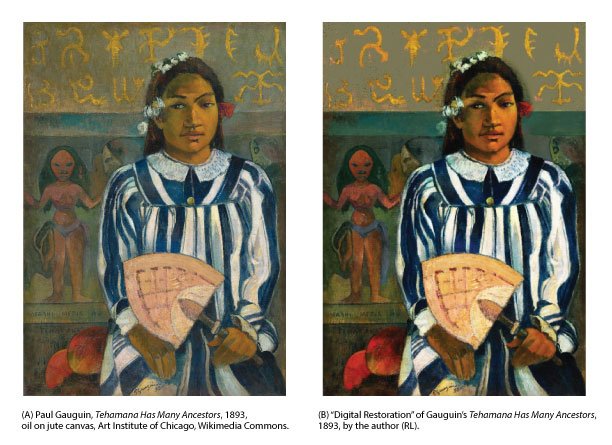
To commemorate this wonderfully symbolic painting, I decided to “restore” the rather faded digital copy available in the Public Domain. Mostly, I was struck with a great curiosity for how the painting must have looked after completion. Due to Gauguin’s penchant for color, Teha’mana Has Many Ancestors must have looked quite vivid during its original years. Armed with some (perhaps rather good) knowledge of Gauguin’s working palette, I set off to retouch the portrait in good ol’ Adobe Photoshop 2026, using an RGB profile. Edits were, for the most part, actual digital brushstrokes in teal, beige and copper, occasionally texturized to preserve some of the existing character of the canvas. Opacity and layers were adjusted to create the desired outcomes as needed.
And so the image went from that (… a still pretty good photo replica of the painting):
… to this (hopefully accurate, vivid “digital restoration”):
Using the “color picker” tool, colors were sourced from the edges of the corresponding design element, because they seemed to be the most intense and well-preserved. Thus, the stripe behind Teha’mana’s head is now more vividly and uniformly teal, and the “frieze woman”’s hip covering is now slightly more lavender.
Hopefully this updated photo can improve digital study of the painting. I for one love how it came out! I like to think that Gauguin would approve. It seems to be noticeably brighter without sacrificing integrity of hue, and the saturation is fairly realistic and balanced for a Gauguin painting.
Let me know what you think! You can send comments to hello@robmarielopez.com.
Updates on Gauguin’sMatriarchy to follow!
Which… nothing wrong with that. We strive for quality! But it’s cool to have a manuscript reviewed and accepted for publication elsewhere 🙂 ↩︎
Christina Thompson’s Sea People and Joan Druet’s Tupaia are excellent sources ↩︎
Sources various, though I discuss some of this in detail in Lopez, 2025 (a, b) ↩︎
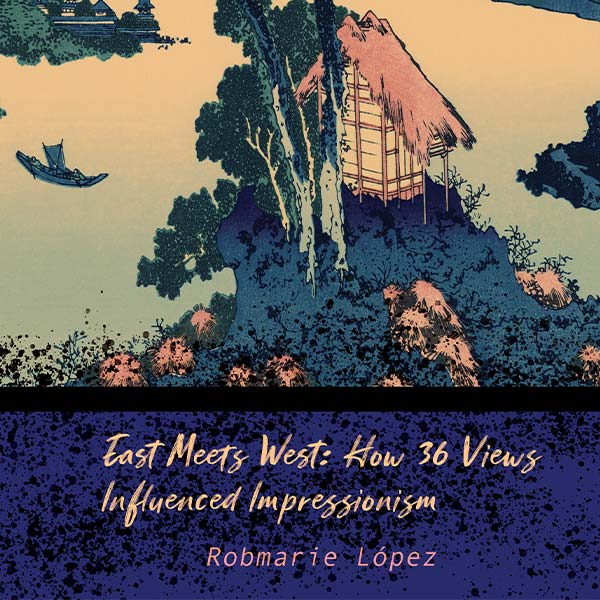
In this book, my art-historical research lens focuses on Japanisme, the 19th century wave of Japanophilia that took over France, thanks to the island nation opening its ports for international trade. Specifically, it focuses its gaze a few decades earlier, on Hokusai’s Thirty-Six Views of Mt. Fuji (c. 1830-2), to analyze how this particular series successfully addressed Japanese ambivalence towards the West both in medium and composition. I also argue that this print series influenced the likes of Whistler and Monet to kick-start impressionism.
So it’s a lot! But hopefully engaging and coherent along the way 😀
I’ve written more about the subject at INKBRUSHMOOD, an art-historical blog where I occasionally write about ukiyo-e, and at Ediciones Pluma Verde, a small publisher of poetry, artbooks, fiction and non-fiction.
I’d love to get reviews on this! If you are interested in a free book, e-mail me at hello@robmarielopez.com and I will send you a copy for review.
***
Update! (July 5th, 2026)
Some of my e-books are on sale over at Smashwords—by sale, of course, I mean that they’re free! 😀 Sale is for July only, so here are some links to get started:
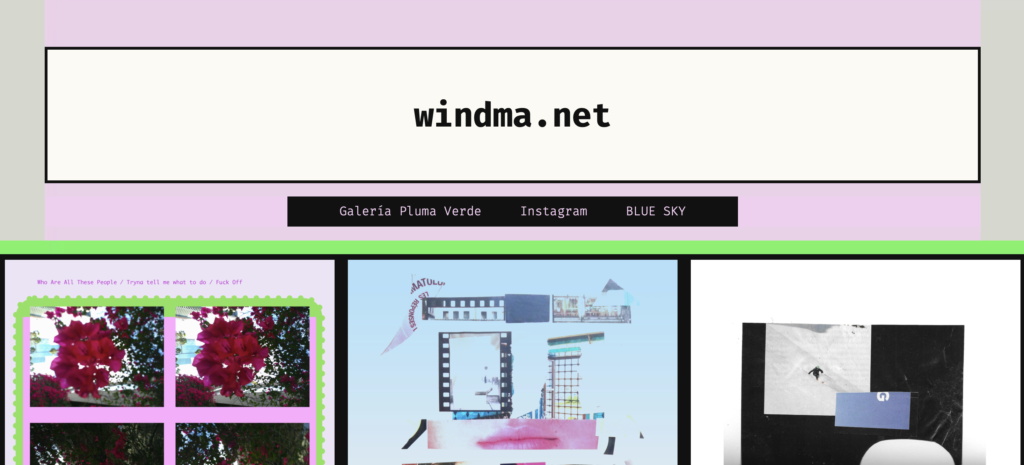
Hello Everyone! It’s been a while since I’ve posted here. Mostly I’ve been busy with life; however, I’ve also set up a dedicated art portfolio—which is now live! You can check it out at windma.net.
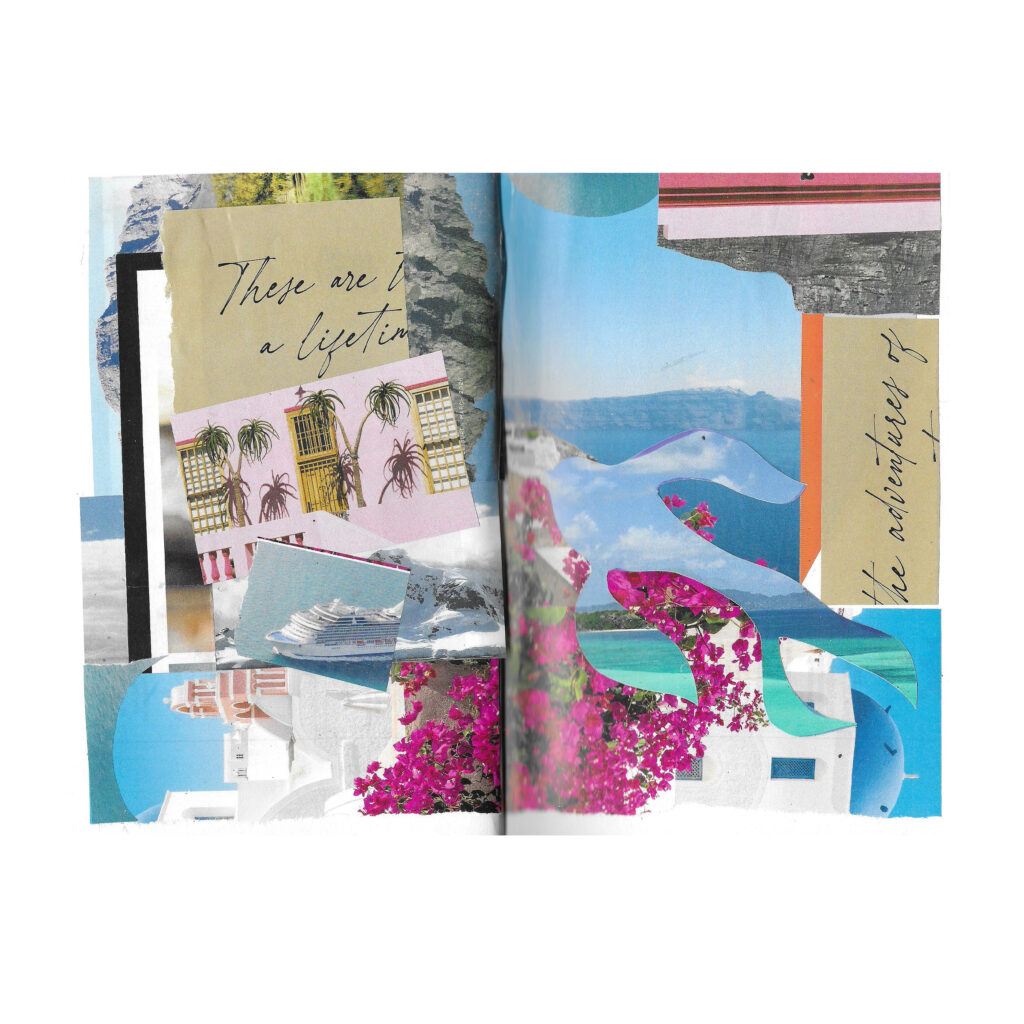
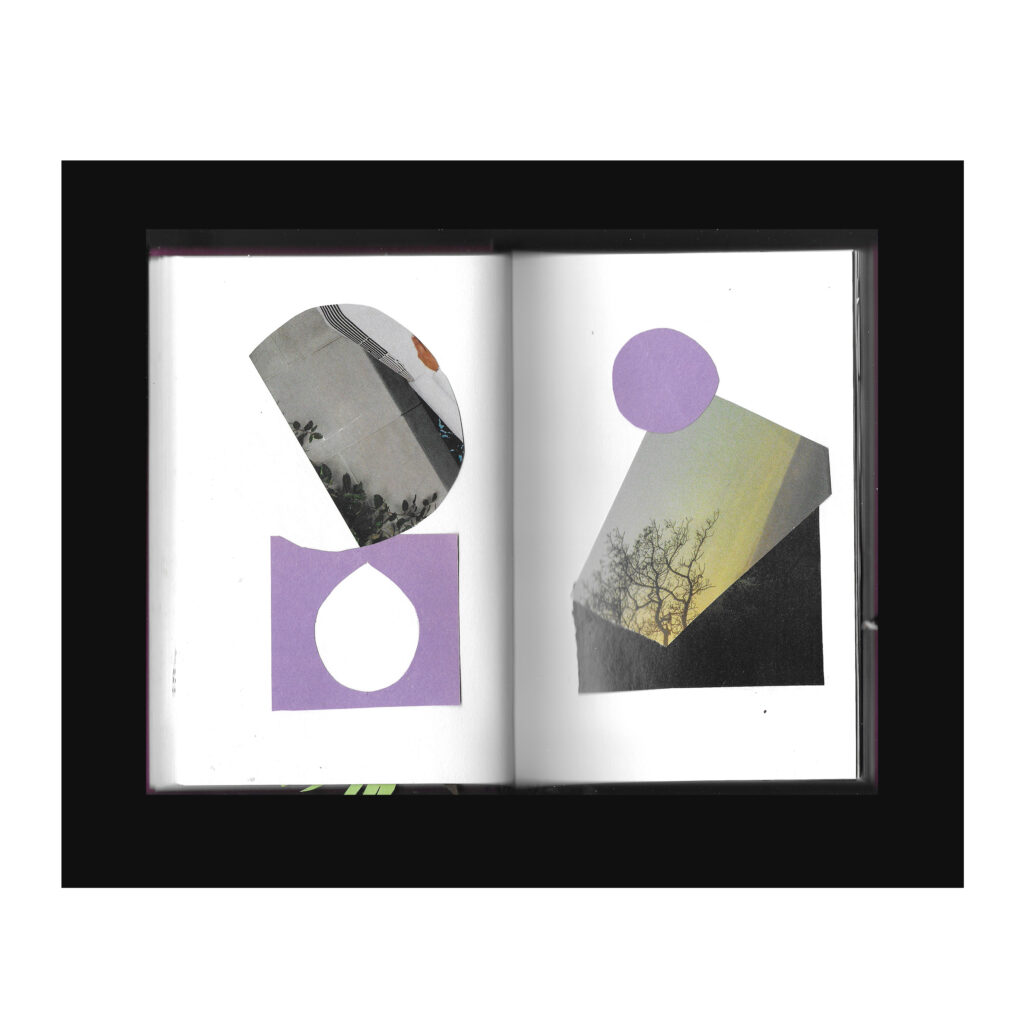
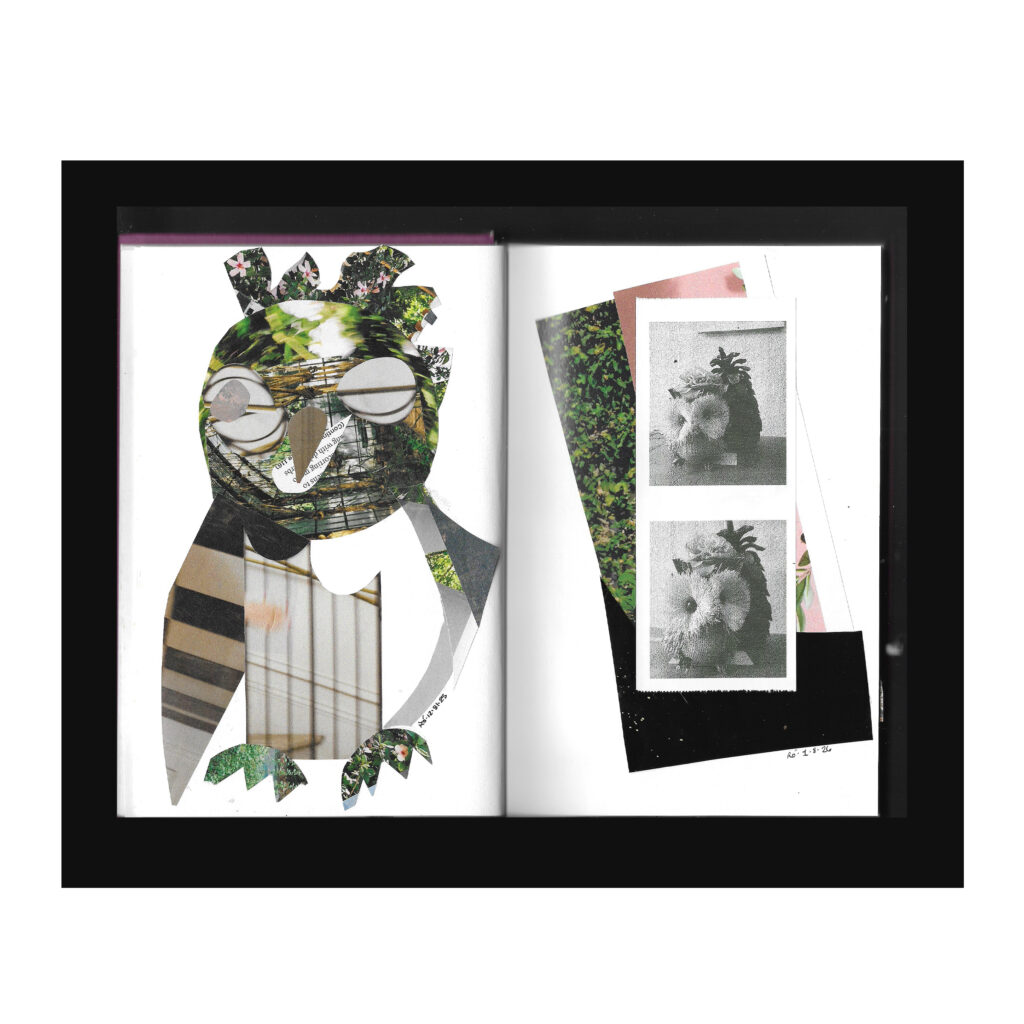
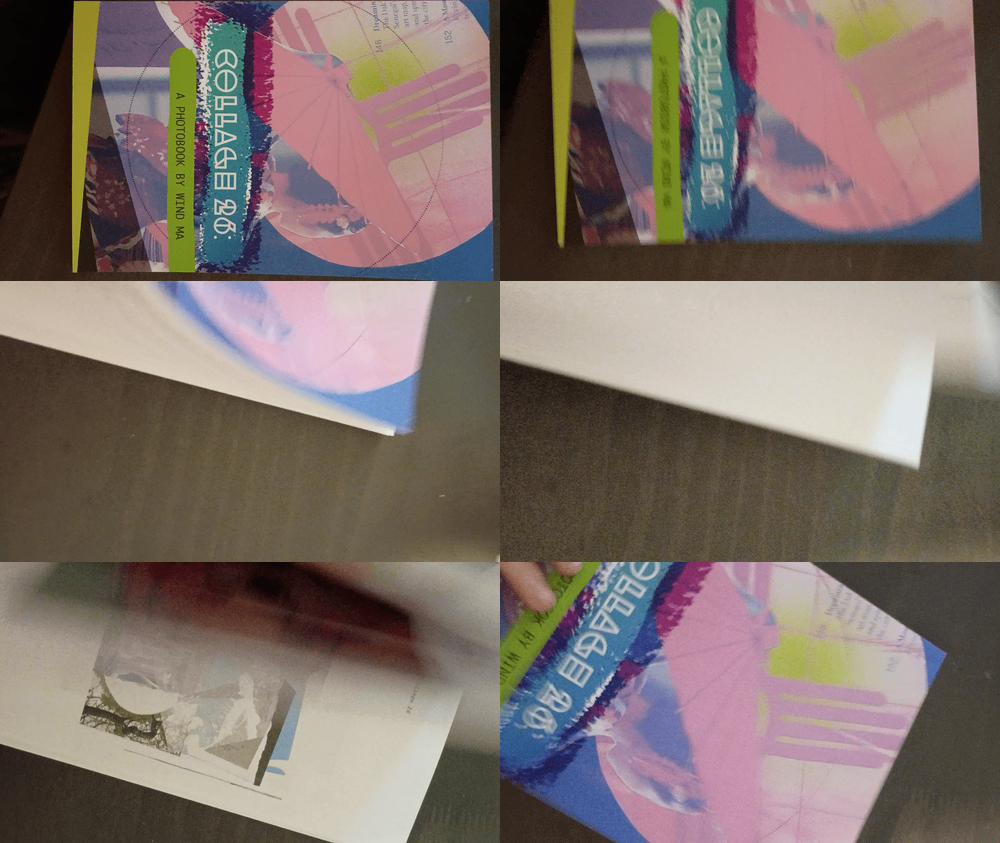
After working on the Collage 26 hardcover prototype, I was emboldened to expand it into a full-length photobook, eponymously titled “Collage 26.” While working on it, I had the chance to think about what motivated to engage with collage. At the risk of waxing philosophic, to me collage-building inspires me to think about how memories (or dreams) are made. In this context, sensory experiences are like the building blocks that become assembled into fuller perceptions.
It is said that, when you remember an event, you are not recalling the actual memory but a memory of a memory. The type of collage work that I do seems to explore that idea, since the image is essentially constructed from random bits and pieces that eventually become full visual forms. At some point, the idea itself becomes assembled; this idea has a bit of memory, a bit of imagination—a bit of present moment, combined to form a work that can be interpreted myriad ways.
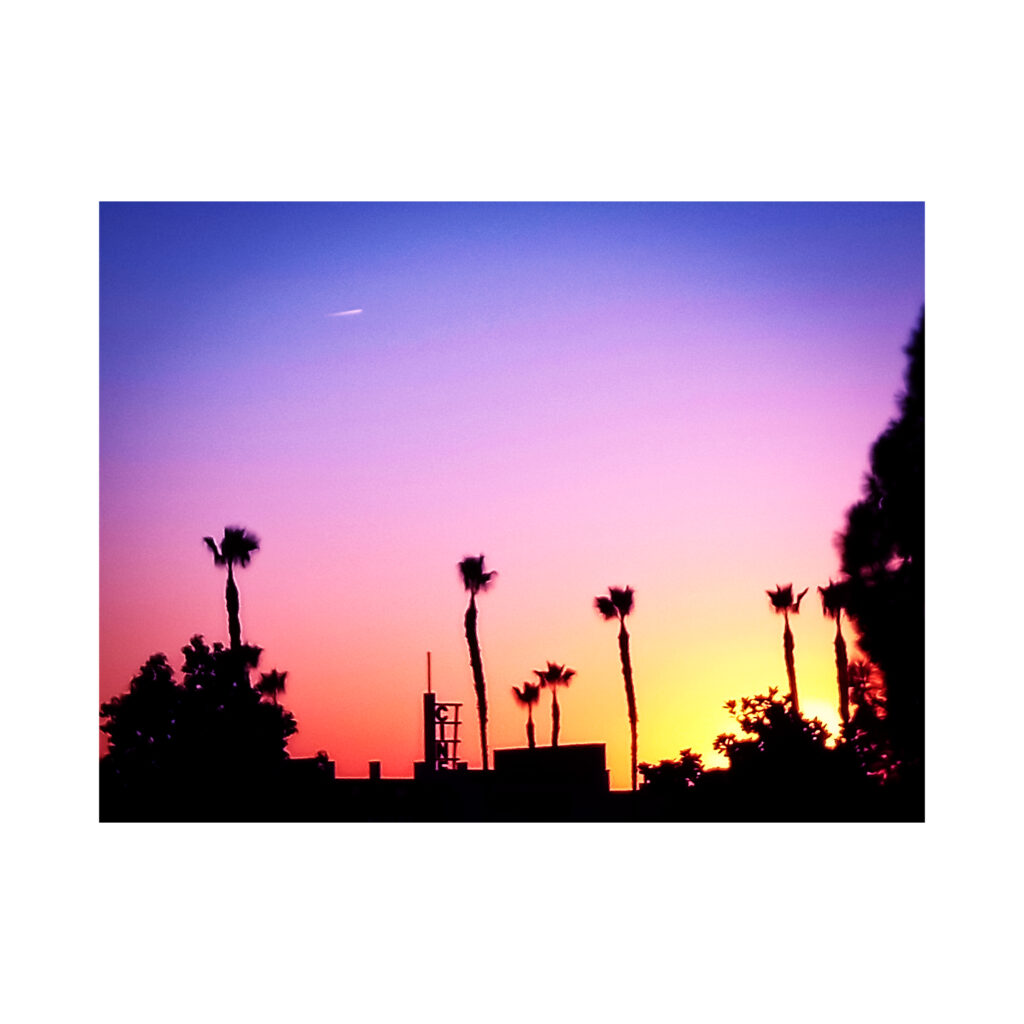
Digital photography functions in a similar way. One captures a specific moment; a particular perception, brought about by a state of heightened awareness. When one takes a photo, one is increasingly aware of the transience of life. So working with a photograph, the original idea is evoked, as well as one’s interpretation—could be of the original mood tied to the original moment, or the one that emerged on revisitation. Of course, there are myriad shades of perception driving that photographic transformation. But, for me, digital art follows that line of thinking.
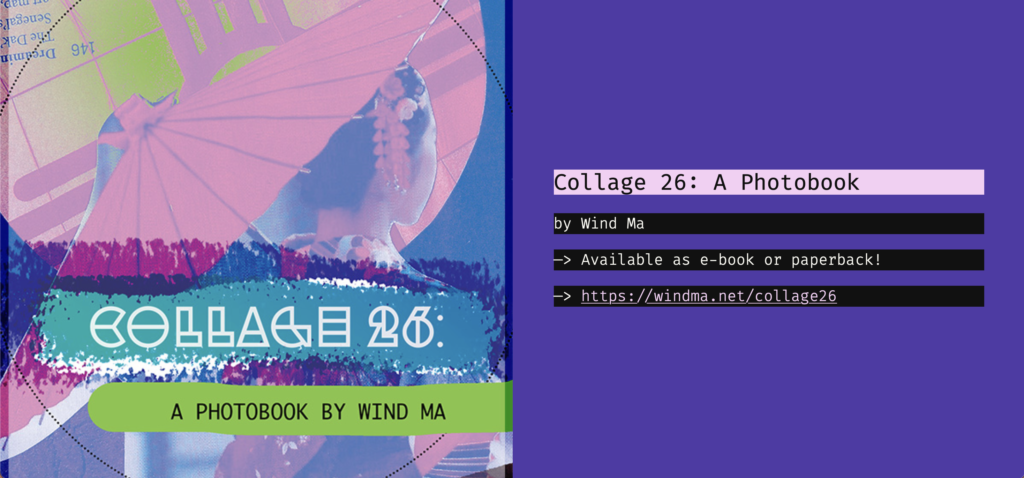
So anywho! Collage 26 is now officially available through Amazon, as both e-book and paperback.
The paperback is currently available at $14.99. I wish I could lower the price but, a lot of effort went into this artwork! Mostly I originally conceptualized Collage 26 as an exhibition contained in a book, so the paperback is the culmination of that endeavor. Of course, the same experience could be had with the electronic book, but we already stare at so many images through so many screens… a paperback exhibit is a nice change of pace.
Feel free to send me your comments, questions, or reviews (I would really appreciate this latter—!!) to hello@robmarielopez.com. Or, better yet, send them to Wind Ma at contact@windma.net. You can also follow (her) on Blue Sky! @windmanet.